Pilates is a low-impact, full-body exercise method built around controlled movement, core strength and breath control. Developed in the early twentieth century, it has grown into one of the most widely recommended forms of exercise for building strength, improving posture and supporting recovery from injury.
This guide explains what Pilates is, what does Pilates do for your body, the different types you will come across, and whether Pilates for beginners is as intimidating as it looks (it is not). We also cover physio-led clinical Pilates, the style we run here at Bounce Back Physio in Narellan, and how it differs from a general fitness class.
What Is Pilates?
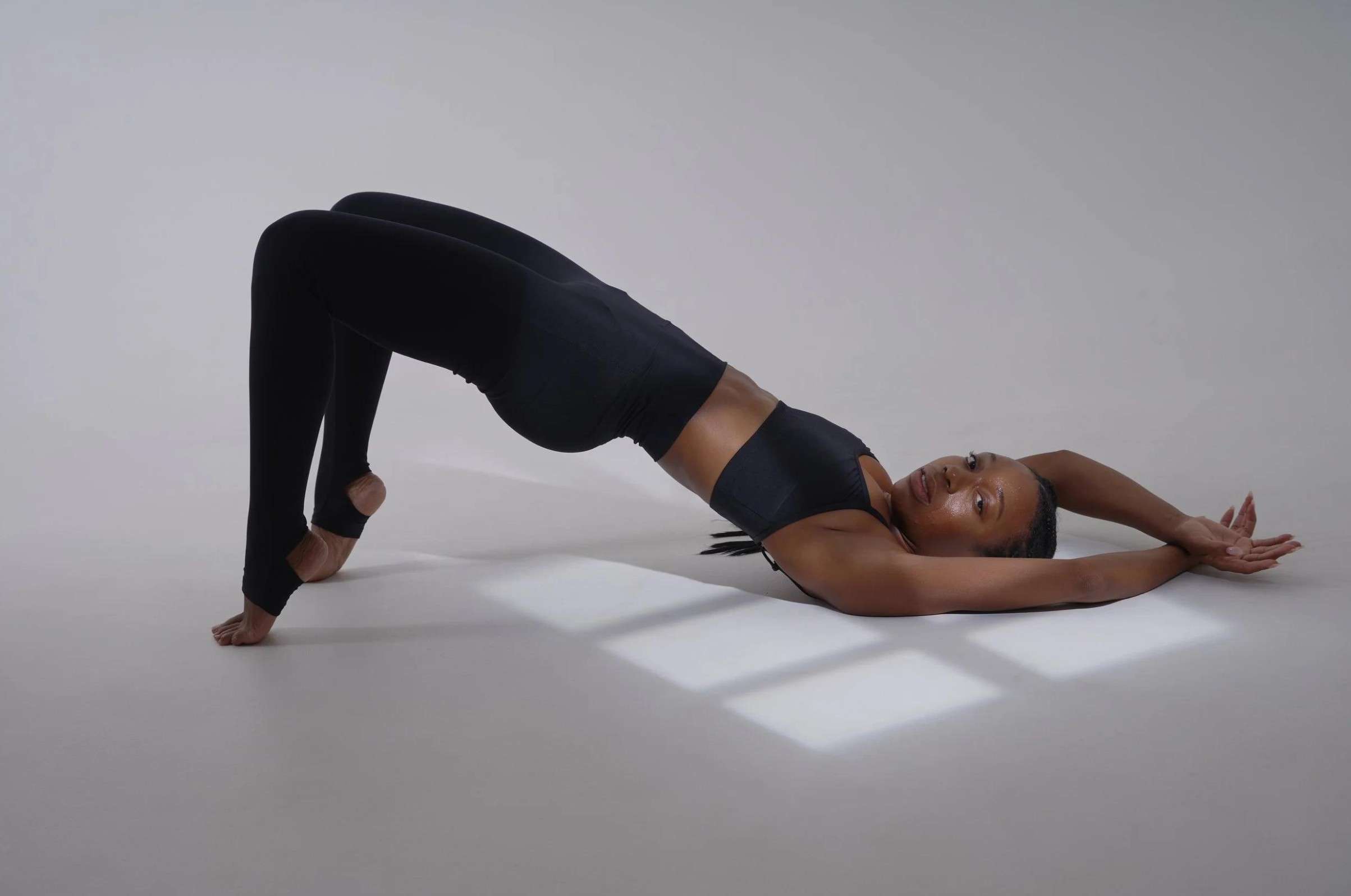
Pilates is a system of exercise developed by Joseph Pilates in the early 1900s, originally as a rehabilitation method for injured dancers and soldiers. It combines controlled, low-impact movements with a strong focus on breath and core engagement, and it can be performed on a mat or on specialised equipment such as a reformer.
Six principles guide the Pilates method: concentration, control, centring, precision, breathing and flow. Every exercise is meant to be performed slowly and deliberately, with the quality of the movement valued over how many repetitions you can complete.
Pilates is not a single fixed workout. It ranges from gentle, therapeutic mat classes through to challenging reformer sessions, which is part of why Pilates works for such a wide range of people, from someone recovering from a back injury to an athlete fine-tuning performance.
What Does Pilates Do for the Body?
What does Pilates do for the body? In short, it builds core strength, improves posture, increases flexibility and helps you move with better control and balance. Because every exercise engages your deep core and postural muscles, the benefits carry over into everyday movement, not just what happens during the class itself.
Core Strength and Posture
Pilates specifically targets the deep muscles that support your spine, including the transverse abdominis and multifidus. Strengthening these muscles improves how well your spine is supported during everyday activities like lifting, sitting at a desk or standing for long periods, which is a large part of why Pilates is used to help manage postural discomfort.
Flexibility, Balance and Coordination
Because Pilates moves your joints through a full range of motion under control, it improves flexibility without the ballistic stretching used in some other training styles. It also challenges your balance and coordination, which becomes increasingly important as you get older. Better Health Channel Victoria notes that postural improvements are often noticeable after 10 to 20 sessions of regular practice, done two to three times a week.
Back Pain and Injury Recovery
Pilates is frequently used to help manage lower back pain. Cleveland Clinic references research, including studies from 2015 and 2020, linking Pilates to improvements in lower back pain. It is not a guaranteed fix for every back complaint, and if you are managing an existing injury or ongoing pain, working with a physiotherapist who can tailor your program to your specific presentation is a more reliable starting point than a generic class.
Breath Control and Mental Wellbeing
Pilates places a strong emphasis on breath control, coordinating your breathing with each movement. Cleveland Clinic points out that the benefits of exercise for mental wellbeing are now firmly established, and that the controlled breathing used in Pilates can help reduce stress specifically. For many people, the focus required during a class also becomes a useful mental reset.
The Different Types of Pilates
Pilates covers a range of formats and equipment, and understanding the differences helps you pick the right starting point.
Mat Pilates
Mat Pilates uses just your bodyweight, a mat, and sometimes small props like a resistance band or Pilates ring. It is the most accessible starting point and needs no special equipment, which makes it a popular way to try Pilates for beginners.
Reformer Pilates
Reformer Pilates is performed on a specialised spring-loaded machine that adds resistance and support to each exercise. It allows for a wider range of movements than mat work and can be adjusted to suit very different fitness levels, from someone in early rehabilitation through to an advanced athlete.
Clinical (Physio-Led) Pilates
Clinical Pilates, sometimes called physio Pilates, is Pilates prescribed and supervised by a qualified physiotherapist rather than a Pilates instructor. Every exercise is chosen based on a one-on-one assessment of your injuries, movement patterns and goals, rather than following a generic program.
At Bounce Back Physio, our physio-led Pilates classes run in small groups of a maximum of six participants, with every class supervised by a physiotherapist who has completed additional training in clinical Pilates. Before joining a class, you will complete a one-on-one assessment so your program is built around your body, not a generic template.
How Is Pilates Different From Yoga or the Gym?
Pilates, yoga and traditional gym training all build fitness, but they do it in different ways, and understanding the difference helps you pick the right one for your goals.
Pilates focuses specifically on core strength, spinal alignment and controlled, precise movement, often performed on a reformer or mat. Yoga places more emphasis on flexibility, breath and a broader mind-body practice, and traditional gym training is generally built around building muscle size and cardiovascular fitness through heavier loads or higher intensity.
None of these approaches is inherently better than the others. Many people combine Pilates with yoga, running or strength training, using Pilates specifically to build the core stability and control that supports everything else they do. If you are managing an injury, physio-led Pilates has an advantage that neither yoga nor a standard gym program offers: it can be built directly around your assessment, rather than a generic class structure.
Is Pilates Good for Beginners?
Yes, Pilates is genuinely one of the more approachable forms of exercise for beginners. Because every movement is slow and controlled, there is time to focus on technique rather than trying to keep up with a fast pace, and most exercises can be modified to suit your current fitness level and any injuries you are managing.
That said, beginner-friendly does not mean effortless. Pilates works muscles, particularly through the core and stabilising muscles, that you rarely train directly in everyday life or other forms of exercise, so you may feel it in unexpected places after your first few sessions.
If you are completely new to Pilates, or you have an injury or health condition you want factored into your program, a physio-led class is a sensible place to start, since your first session begins with an assessment rather than being dropped straight into a group program you have not been individually assessed for.
Common Pilates Myths, Busted
Myth: Pilates Is Just Stretching, Not a Real Workout
Pilates can look gentle from the outside, but the slow pace is deliberate rather than easy. Because every movement is controlled rather than swung through momentum, your muscles stay under tension for longer, which is part of why a well-taught Pilates class can be just as challenging as a traditional strength session, just in a different way.
Myth: Pilates Is Only for Women
Pilates was developed by a man, Joseph Pilates, and was originally used to rehabilitate injured soldiers and dancers of all genders. Today it is used by athletes, tradespeople and office workers of every gender, particularly for building the core strength and control that many other kinds of training rely on.
Myth: You Need to Be Fit or Flexible Before You Start
This is one of the most common misunderstandings about Pilates. Pilates is designed to build the strength and flexibility you are hoping to improve, not to require them upfront. Every exercise can be modified to your current ability, whether that means using less resistance on the reformer or a simplified version of a mat exercise.
Myth: Pilates and Reformer Pilates Are the Same Thing
Pilates is the broader exercise method; reformer Pilates is one way of practising it, using a specific piece of equipment. You can do Pilates on a mat with no equipment at all, or you can do it on a reformer, and both are still Pilates. We will cover reformer Pilates and how it compares to mat work in more detail in an upcoming guide.
Who Can Benefit From Pilates?
Because Pilates can be adjusted to suit almost any starting point, it supports a wide range of goals and stages of life:
- Pregnancy and postnatal recovery: our physio-led Pilates classes include a specialised Mums and Bubs stream, and many of our women’s health physiotherapists use Pilates-based exercise to help rebuild core and pelvic floor strength after birth
- Return to sport: athletes recovering from injury often use Pilates alongside sports physiotherapy to rebuild strength and control before returning to full training
- Chronic pain and posture: people managing ongoing back, neck or hip discomfort often use Pilates to build the postural support that eases day-to-day movement
- Healthy ageing: Pilates supports strength, balance and mobility, which are all factors linked to reducing the risk of falls as you get older
- General fitness: Pilates works well as a standalone form of exercise or alongside running, sport or strength training
Because every class can be tailored to your body rather than a generic template, Pilates works for people at very different starting points, from someone returning to movement after an injury to an athlete fine-tuning performance.
How Often Should You Do Pilates?
You should aim for two to three Pilates sessions a week if you want to see noticeable results within a reasonable timeframe. Better Health Channel Victoria notes that postural improvements are often noticeable after 10 to 20 sessions of regular practice, and that a typical session runs 45 to 90 minutes.
If you are working with a physiotherapist on a specific injury or condition, your ideal frequency will usually be set around your individual assessment rather than a general guideline, since recovery timelines vary depending on what you are managing.
Regular, moderate sessions build strength and control more reliably than an occasional intense class followed by long gaps, because Pilates relies on consistent practice to reinforce movement patterns.
Ready to Try Pilates?
Pilates offers real, well-supported benefits for core strength, posture, flexibility and recovery, but getting the most from it starts with the right program for your body. If you are new to Pilates, managing an injury, or you simply want the added confidence of a physiotherapist-led approach, our small-group clinical Pilates classes in Narellan are a good place to start.
Book a Pilates assessment with our team, or get in touch to ask which class option suits your goals. Our physiotherapists work with people at every stage, from complete beginners through to those returning to sport, so there is no wrong time to start Pilates.
Frequently Asked Questions.
What does pilates do for the body?
Pilates works the body by building core strength, improving posture, increasing flexibility and developing better balance and coordination. It specifically targets the deep muscles that support your spine, which is part of why it is commonly used to help manage back pain and postural discomfort. Beyond the physical side, the breath control used throughout pilates can also help reduce stress. Better Health Channel Victoria notes that postural improvements are often noticeable after 10 to 20 sessions, done consistently two to three times a week.
What is pilates good for?
Pilates is good for building core strength, improving posture, increasing flexibility and supporting recovery from injury or ongoing pain. It is also widely used to improve balance and coordination, which becomes increasingly valuable as you get older. Because every exercise can be adapted to your fitness level, pilates works well as a standalone form of exercise or alongside other training, such as running, sport or strength work.
What is the difference between pilates and yoga?
Pilates and yoga are different practices, even though people often group them together. Pilates focuses specifically on core strength, spinal alignment and controlled, precise movement, frequently using equipment such as a reformer, while yoga places more emphasis on flexibility, breath and a broader mind-body practice, usually performed on a mat. Many people do both, since the two approaches complement each other rather than compete.
Is pilates suitable for beginners?
Yes, pilates is suitable for beginners, and it is one of the more approachable ways to start exercising. Every movement is slow and controlled, so there is time to focus on technique rather than keeping pace with a fast class, and most exercises can be modified around your current fitness level or any injuries. This is one of the reasons a physio-led class, where your program is built around a one-on-one assessment, is a sensible starting point if pilates is completely new to you.
What is clinical pilates?
Clinical pilates is pilates that is prescribed and supervised by a qualified physiotherapist rather than a pilates instructor. Every exercise is chosen based on a one-on-one assessment of your injuries, movement patterns and goals, rather than following a general class program. At Bounce Back Physio, our physio-led pilates classes run in small groups of up to six people, so your physiotherapist can watch your technique closely and adjust your program as you progress.
How often should you do pilates to see results?
You should aim for two to three pilates sessions a week if you want to see results within a reasonable timeframe. Better Health Channel Victoria notes that postural improvements are often noticeable after 10 to 20 sessions of regular practice. If you are working with a physiotherapist on a specific injury, your ideal frequency will usually be set around your individual assessment rather than a general guideline.
Do you need to be flexible or fit to start pilates?
No, you do not need to be flexible or fit to start pilates, and this is one of the most common misconceptions about it. Pilates is designed to build the strength, flexibility and control you are hoping to improve, not to require them before you begin. Every exercise can be modified to your current ability, which is part of why pilates suits such a wide range of people, from complete beginners to elite athletes.
What is the difference between mat and reformer Pilates?
Mat and reformer pilates use the same underlying principles but different equipment. Mat pilates relies on bodyweight and the floor, using minimal or no equipment, which makes it an accessible starting point. Reformer pilates uses a spring-loaded machine that adds resistance and support, allowing for a wider range of movements and more precise adjustments to suit your fitness level or injury. Many people use both, starting on the mat and progressing to reformer work as their strength and control improve.