
Sports Injury Rehabilitation

Coming back from a sports injury takes more than time. It takes structured loading, appropriate progression, and clinician supervision so you rebuild the strength, capacity and confidence that got taken away by the injury or surgery. The Sports Injury Rehabilitation Program at Bounce Back Physio in Narellan is built for exactly that.
Bounce Back is a sports injury clinic in Narellan with a physiotherapy team experienced in sporting injuries across juniors, weekend warriors, competitive athletes and everyone in between. Our Sports Injury Rehabilitation Program is a small-group rehabilitation class held in our on-site gym, led by physiotherapists and exercise physiologists. Every participant follows their own individualised rehab program, set and progressed by their treating physio.
Book your initial assessment online to get started, or view the current class timetable.
What Is Sports Injury Rehabilitation?
Sports injury rehabilitation is the structured process of returning an athlete or active person to full function after a sporting injury or surgical procedure. It usually happens in phases: the acute phase where symptoms are managed and load is protected, the middle phase where strength and range are rebuilt, and the return-to-sport phase where the body is prepared for the specific demands of competition.
Sports injury management is different from general injury care because it accounts for the sport, the position played, the training load ahead and the risk of reinjury. It requires physiotherapists experienced in sporting injuries and, ideally, a structured program that carries the athlete through each phase rather than leaving them to figure the middle out on their own.
The Sports Injury Rehabilitation Program at Bounce Back is designed for the middle-to-late stages of that journey, the phase where you have moved past the acute period and are ready to load up, build capacity and prepare for return to sport.
Who the Sports Injury Rehabilitation Program Is For
The Program is designed for people who have moved past the acute phase of a sports injury and are ready for structured, progressive loading. Well suited to:
- Post-injury return-to-sport rehabilitation: after sprains, strains, ligament injuries, tendinopathies
- Post-surgical sports rehabilitation: ACL reconstructions, shoulder surgeries, knee and ankle procedures, once past the early physio phase
- Athletes coming back from extended layoffs: injury, illness, surgery, time off, deconditioning
- Recurrent injuries: hamstring reinjuries, ankle rolls, groin flare-ups where the pattern needs to break
- Junior athletes building strength, coordination and resilience before returning to club training or competition
- Recreational and weekend athletes wanting a structured pathway from physio treatment back to their sport
- Athletes who have finished their one-on-one physio block and need supervised loading before they train independently

Our Approach: Physiotherapist-Led Sports Injury Management
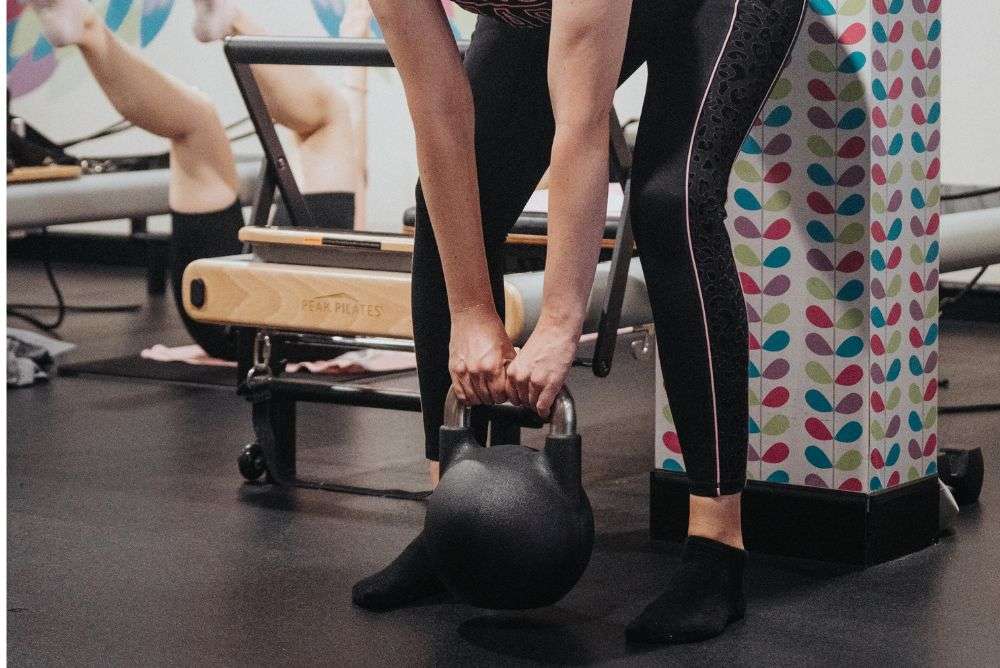
Sports injury rehabilitation at Bounce Back is led by physiotherapists experienced in sporting injuries, working alongside our exercise physiology team. Our sports injury specialists take a clinician-led approach to managing sports injuries:
- Accurate diagnosis first: before any loading, we make sure we know exactly what is going on. If imaging or a specialist opinion is needed, we refer
- Individualised programs: no two athletes get the same rehab plan, because no two injuries are the same
- Load management: we control how much you do, how often, and how it progresses, so we do not overshoot or undershoot
- Sport-specific rehab: return-to-sport work reflects the actual demands of your sport, position and competition schedule
- Clear milestones: you know what you need to hit to get back to training, back to selection and back to game day
- Coordination with your other supports: GP, surgeon, coach or S&C where appropriate
Sports Injuries We Support
Our sports injury clinic supports a wide range of sporting injuries in juniors, adults and older athletes. Common injuries we see include:
Knee injuries
ACL, MCL, PCL and meniscal injuries, patellofemoral pain, patellar tendinopathy, post-surgical knee rehabilitation
Ankle injuries:
Lateral ligament sprains, syndesmosis injuries, chronic ankle instability, recurrent sprains
Shoulder injuries:
Rotator cuff strains and tears, labral injuries, shoulder instability, throwing-shoulder complaints, post-surgical shoulder
Hip and groin injuries
Hip flexor strains, adductor strains, groin pain in kicking and change-of-direction sports, femoroacetabular impingement (FAI)
Hamstring, quad and calf strains
From sprinting, kicking and jumping sports
Tendinopathies
Achilles, patellar, gluteal, rotator cuff and elbow tendinopathies needing structured loading
Back and spinal injuries
Lumbar disc issues, spondylolysis in adolescent athletes, sacroiliac pain
Elbow and wrist injuries
Tennis and golfer’s elbow, wrist strains, throwing-elbow complaints
Concussion return-to-play
Coordinated with your GP or specialist under a graduated return-to-sport protocol
Post-surgical rehabilitation:
ACL reconstruction, shoulder reconstruction, meniscal repair, ankle stabilisation and other orthopaedic procedures
The Sports Injury Rehabilitation Program at Bounce Back
The Program is delivered as a small-group class held in our on-site gym. Each participant follows their own individualised rehab program, the group format is about supervision, coaching on technique, progression and accountability, not everyone doing the same routine.
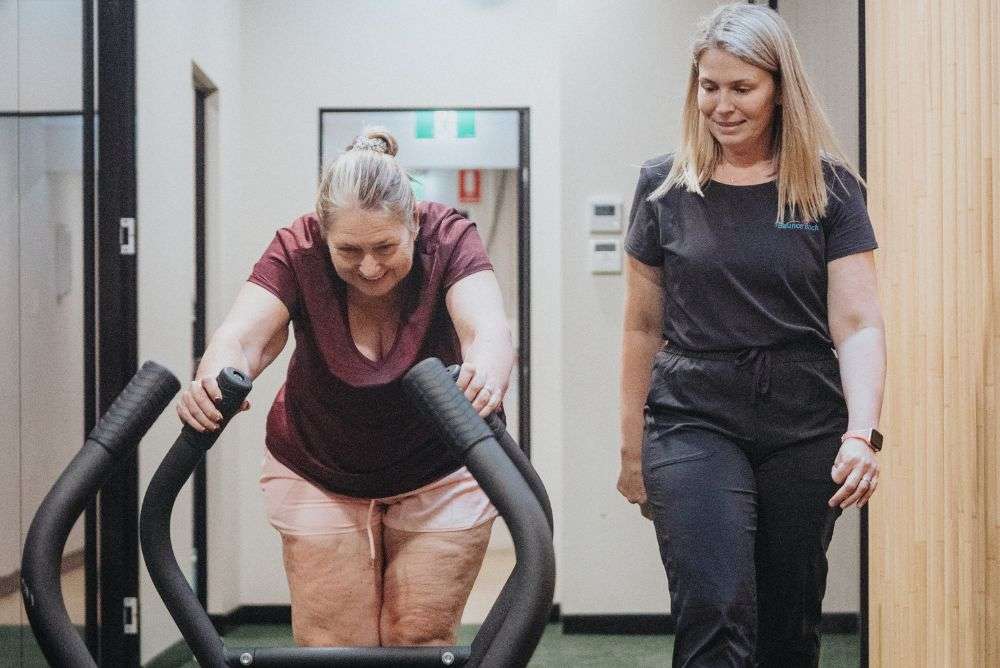
Every session is supervised by a physiotherapist or an accredited exercise physiologist. Loading, technique and any post-session symptoms are all monitored by clinicians so your treating physio knows how you are responding and can progress your program accordingly.
What to Expect at Your First Sports Injury Rehabilitation Appointment
Every session follows the same general flow, but your specific exercises, sets, reps and loads are based on your own program.
1
Warm-Up and Movement Prep
Movement preparation focused on the joints and muscle groups your program targets. Supervised so any compensations or symptoms are picked up before loading.
Strength and Loading
The main block. You work through the strength, mobility and stability exercises in your program, with physio or EP supervision on technique, load and tempo. Loads progress over time as your tolerance builds.
2
3
Sport-Specific and Return-to-Sport Work
Depending on your sport and stage of recovery, sessions can include change-of-direction work, plyometric loading, return-to-running progressions, sport-specific drills or conditioning blocks built into your program.
Cool-Down and Symptom Check
Each session ends with a quick check on how the targeted area handled the load. Any post-session soreness, swelling or fatigue is noted and fed back to your treating physio so your program can be progressed or adjusted.
4

Program Format
Sessions are held in our on-site gym in Narellan. For current session times, view the class timetable.
- Setting: on-site gym with full strength and conditioning equipment
- Led by: physiotherapists and accredited exercise physiologists
Format: small group, individualised programs - Session length: 60 minutes
- Group size: 6 people
- Frequency: see the class timetable for current days and times
- Booking: sessions are booked through our 24/7 online booking system once you have completed your initial assessment
Before You Join: Initial One-on-One Physiotherapy Assessment
Before joining the Sports Injury Rehabilitation Program you must complete a one-on-one assessment with one of our physiotherapists. This is non-negotiable, for good reasons:
- Your physio needs to understand your injury, surgery, history and goals before prescribing any loading
- The program you follow in the Program is set and progressed by your physio, they cannot do that without first assessing you
- It keeps you safe under load and gives the supervising physio or EP in the class a clear picture of what you can and cannot do
If you have not yet had an initial assessment with our team, your first step is to book an initial physiotherapy appointment online.

How This Program Differs From One-on-One Sports Physiotherapy
Bounce Back offers two distinct sports injury services, and most patients use both, in sequence.
One-on-One Sports Physiotherapy
Dedicated time with a sports physiotherapist for assessment, diagnosis, hands-on treatment, manual therapy, dry needling, taping, exercise prescription and education. It is where your rehab program is set, reviewed and progressed.
The Sports Injury Rehabilitation Program (This Page)
Where you carry out your rehab program under supervision in a group environment. The physio or EP supervising the class is there to coach technique, monitor load and feed observations back to your treating physio, not to start a new diagnosis or treatment plan.
In practice, most patients see their physio one-on-one for the acute and early-stage rehab, then transition into the Program for the strength-and-loading phase of return-to-sport, with occasional one-on-one reviews to progress the plan.
Why the Program Works
Clinician-led, not trainer-led
Supervised by AHPRA-registered physiotherapists and ESSA-registered exercise physiologists, not general personal trainers
Individualised, not generic
Every program is set by your treating physio and progressed across the weeks, so you are not following a one-size-fits-all class plan
On-site gym with full equipment
Barbells, dumbbells, sleds, jump boxes, conditioning equipment, the full setup needed for proper return-to-sport loading
Joined-up with your one-on-one care
Your in-class supervisor shares observations with your treating physio so your program keeps moving forward
Group accountability
Small-group format makes it easier to show up and keep loading consistently than training alone
Sports injury specialist team
Physiotherapists with experience across junior, recreational and competitive sport
Booking, Fees and Rebates
Getting started with the Sports Injury Rehabilitation Program is a two-step process.
Step 1: Initial Physiotherapy Assessment
If you have not yet had a one-on-one assessment with our team, your first step is to book an initial physiotherapy appointment online. Your physio will then prescribe the program you follow in the Program.
Step 2: Book Into Program Sessions
Once you have completed your initial assessment, you can view the class timetable and book sessions through our 24/7 online booking system.
Funding Accepted
- Private health insurance: HICAPS available with all major funds (check your level of cover for group physio rehabilitation)
- Medicare: rebates available with a Chronic Disease Management plan from your GP, where clinically appropriate
- DVA: gold and white card holders welcome with a referral
- WorkCover: approved provider for workplace injury claims that include return-to-work conditioning
- NDIS: self-managed and plan-managed participants welcome

Frequently Asked Questions
What is sports injury rehabilitation?
Sports injury rehabilitation is the structured process of returning an athlete or active person to full function after a sporting injury or surgery. It happens in phases: acute (protecting the injury and managing symptoms), middle (rebuilding strength, range and capacity), and return-to-sport (preparing the body for the demands of competition). It is guided by physiotherapists experienced in sporting injuries and uses progressive loading rather than time off alone.
What sports injuries does Bounce Back's sports injury clinic treat?
Our team supports a wide range of sporting injuries including knee (ACL, MCL, PCL, meniscal, patellofemoral, patellar tendinopathy), ankle sprains and instability, shoulder (rotator cuff, labral, throwing shoulder), hip and groin, hamstring, quad and calf strains, tendinopathies (Achilles, patellar, gluteal, rotator cuff, elbow), back and spinal injuries, concussion return-to-play, and post-surgical rehabilitation (ACL reconstruction, shoulder surgery, meniscal repair and others).
Is Bounce Back a sports injury clinic?
Yes. Bounce Back is a multidisciplinary allied health clinic in Narellan with a physiotherapy team experienced in sporting injuries across juniors, weekend warriors and competitive athletes. We deliver sports injury treatment through one-on-one sports physiotherapy and structured group rehabilitation via the Sports Injury Rehabilitation Program.
What does a physiotherapist for sports injuries do?
A sports-experienced physiotherapist assesses and diagnoses your injury, delivers hands-on treatment where appropriate (manual therapy, dry needling, taping), prescribes and progresses a rehabilitation program, and manages your return to sport. They coordinate with your GP, surgeon or specialist as needed, and refer for imaging or further opinion where indicated.
How is the Sports Injury Rehabilitation Program different from one-on-one sports physio?
One-on-one sports physiotherapy is dedicated time with a physiotherapist for assessment, hands-on treatment and progression of your rehab plan. The Sports Injury Rehabilitation Program is where you carry out that rehab plan under group supervision, with a physio or exercise physiologist coaching technique and monitoring load. Most patients use both services in sequence, one-on-one physio for the early stages, then the Program for the strength and return-to-sport phase.
Do I need to see a physio first before joining the Program?
Yes. Before joining the Sports Injury Rehabilitation Program you must complete a one-on-one assessment with one of our physiotherapists. The assessment is what sets the program you will follow and keeps you safe under load.
Who runs the Program?
AHPRA-registered physiotherapists and ESSA-registered exercise physiologists, not personal trainers or general fitness instructors.
How long is each session?
For current session times, view the class timetable.
How long does sports injury rehabilitation take?
It depends on the injury, the surgery (if any), your sport and how you respond to loading. Simple soft-tissue injuries may take a few weeks. Post-surgical rehab like ACL reconstruction typically takes 9 to 12 months to a full return to sport. Your treating physio will give you an honest timeline after your initial assessment and update it as you progress.